


- Home Page
- Company Profile
-
Our Products
- Pharmaceutical Tablets
- Sulfadiazine Tablet
- Nystatin Vaginal Inserts
- Prednisolone Tablets
- Clotrimazole Tablet
- Ferrous Sulphate And Folic Acid Tablet
- Colchicine Tablets
- Primaquine Tablets
- Amodiaquine Tablets
- Aceclofenac & Diacerein Tablets
- Artemether & Lumefantrine Tab
- Quinine Sulphate Tablet 300 mg
- Artemether and Lumefantrine Tablets
- VITAMIN B COMPLEX TABLETS
- Clomifene Tablets BP 50mg
- Cefuroxime Axetile Tablets
- Nystatin Tablets
- Vitamin D3 Tablets
- Simvastatin Tablets
- Prochlorperazine Tablets
- Ferrous Sulphate and Folic Acid
- Fexofenadine HCL Tablets
- Fluconazole Tab
- Tinidazole Tablets
- Calcium Folinato
- Warfarin Tablets
- Nifedipine Extended Release Tablets USP 20 mg
- Colloidal bismuth subcitrate 120 mg tablets
- Sodium Bicarbonate Tablets
- Ciprofloxacin Tablets 500mg
- Misoprostol Tablets 200 mcg
- ENALAPRIL MALEATE TABLETS USP 5MG
- Doxycyclin Hyclate Tablets USP 100 mg
- Albendazole Tablets 400 Mg
- Dapsone Tablets BP 50 Mg
- Calcium With Vitamin D3 Chewable Tablets
- Aminophylline 100mg Tablets
- Fluoxetine Tablet 20mg
- Erythromycin Stearate Tablets BP
- Sulfadoxine Pyrimetanine Tablet
- Lisinopril Hydrochlorothiazide tablets USP
- Ibuprofen Tablets 400mg
- Cefixime Tablets USP 200 mg
- Cefixime Tablets USP 400 mg
- Ciprofloxacin Tablets USP 750 mg
- Carvedilol Tablets
- Cefalexin Capsules BP 250mg
- Bisacodyl Tablets
- Prednisolone Tablets USP 20 mg
- Amitriptyline Tablets
- Nitrofurantoin Tablets BP
- Amoxicillin Dispersible Tablets
- Chloroquine Phosphate Tablets BP
- Ciprofloxacin Tablets USP 500
- ALBENDAZOLE TABLETS USP 200mg
- Prolonged - Release Potassium Chloride Tablets BP
- OLANZAPINE 10mg
- Ciprofloxacin Tablets USP 500mg
- Gastro-resistant Diclofenac Tablets 50mg
- Senna Tablets
- Ciprofloxacin Tablets USP 500 mg
- ClOPIDOGREL TABLETS USP 75mg
- Clopidogrel Tablets USP
- ALUMINIUM HYDROXIDE TABLETS BP 500mg
- Ranitidine Tablets USP
- Metronidazole Tablets BP 500mg
- Lisinopril Tablets USP 10mg
- Paracetamol Phenylephrine Hydrochloride and Chlorpheniramine Maleate Tablets
- Pyrimethamine Tablet
- Albendazole Tablets
- Carvedilol Tablets USP
- Carbimazole Tablets
- Lisinopril Tablets
- Griseofulvin Tablets BP
- Prednisolone Tablets BP
- Phenytoin Tablets BP
- Norfloxacin Tablets BP
- Ranitidine Tablet
- Levofloxacin Tablets
- Esomeprazole Tablets
- Devazole Tablet
- Fluconazole Tablet
- Paracetamol Phenylephrine HCl and Chlorpheniramine Maleate Tablets
- CLOTRIMAZOLE VAGINAL PESSARY
- Nifedipine Extended Release Tablets
- Betahistine Dihydrochloride Tablets
- Chloroquine Phosphate
- Azithromycin Tablets
- Dapsone Tablets
- sofosbuvir tablets
- Rivadev Tablet
- Devkabir Tablet
- Koldavin T
- Chloroquine Phosphate Tablets
- Pantoprazole Gastro-resistant Tablets BP 40 mg
- Sevlamer Hydrochloride Tablets
- Alfuzosin Prolonged Release Tablets
- Methyldopa Tablets BP
- Zinc Sulfate Tablets USP 20 mg
- Epiryte tablets
- Praziquantel Tablets USP 600 mg
- Salbutamol Tablets BP 2 mg
- Daclatasvir 60 mg & Sofosbuvir 400 mg Tablets
- Enlekavir Tablets USP 0.5 mg
- Clomifene Tablets BP 50 mg
- Leflunomide Tablets BP 10 mg
- Epiryte 500
- Pantoprazole Gastroresistant tablets
- Pentoxifylline Tablets
- Chloroquine Phosphate Tablets
- IMOD EV
- Azithromycin Tablets USP
- Charcoal Tablets 250 mg
- Carbimazole Tablets
- Amlodipine Besilate Tablets BP 5 mg
- Dr. Mol 500
- Albendazole USP
- Bisacodyl Tablets
- Pharmaceutical Injections
- Chlorpromazine Injection
- Atenolol Injection
- Bupivacaine Injection
- Calcium Gluconate Injection
- Ceftriaxone Injection
- Cloxacillin Injection
- DEVCEF 1000 (Ceftriaxone for Injection USP 1000 mg)
- Promethazine Injection
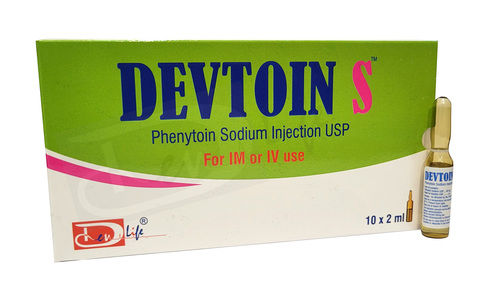
- Phenytoin Sodium Injections
- Progesterone injection
- Lidocaine Injection
- Kanamycin Injection
- Prednisolone Acetate Injectable Suspension USP
- Sterilised Water for Injection
- Iron Sucrose Injection
- Bupivacaine Hcl with Dextrose Injection USP
- Dobutamine Injection
- Adrenaline Injection
- Magnesium Sulfate Injection USP 200mg
- Potassium Chloride for Injection Concentrate USP 100 mg/mL
- Andrenaline Inj. BP
- HEPARIN SODIUM INJECTION BP 5000 UI/ML
- Dopamine Hydrochloride Injection USP 200mg
- CLINDAMYCIN INJECTION USP 150mg/ml
- Gentamycin Sulphate Injection
- Clindamycin Injection
- Medroxyprogesterone Acetate Injection
- Dobutamine Injection USP 12.5 mg/mL
- Iron Dextran Injections
- Devoxa Injection
- Bupivacaine hcl in dextrose injection USP
- Vancomycin Hcl Injection
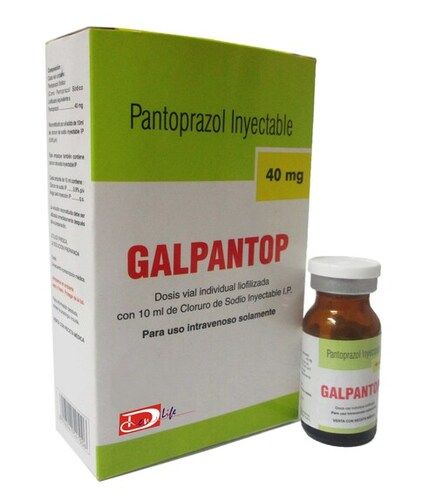
- Pantoprazole For Injection 40mg
- Ceftriaxone For Injection USP 1g
- Imipramine HCL Injection
- Suxamethonium Chloride Injection BP 50 mg/mL
- Vondan Ondansetron Injection
- Vancomycin Hydrochloride For Injection
- Magnesium Sulfate Injection USP 500mg
- Adrenaline Injection BP 1mg
- Hydralazine HCL Injection
- Noradrenaline Injection
- Potassium Chloride Injection
- Clonidine HCL Injection
- Amphotericin B
- Methylcobalamine Injection
- Sterile Potassium Chloride Concentrate
- Phenytoin Sodium Injection
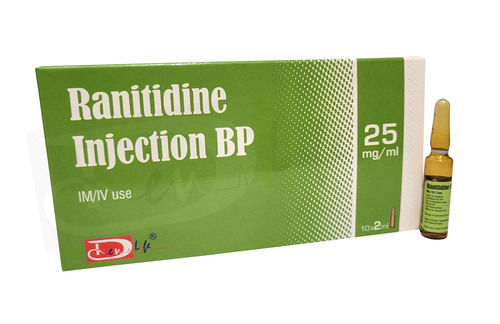
- Ranitidine Injections
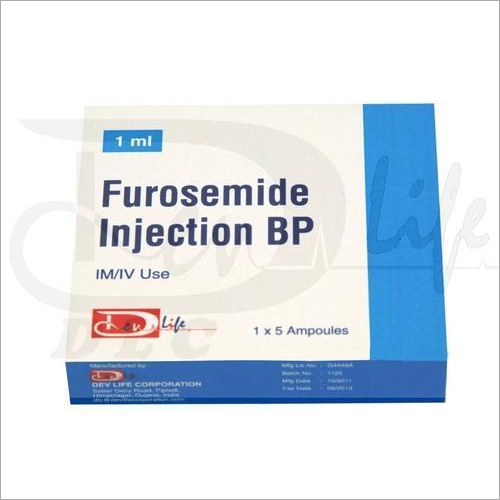
- Furosemide Injection
- Ondansetron Injection
- Ranitidine Injection
- Creams and Ointments
- Metronidazole with Povidone Iodine Cream
- Betamethasone Valerate + Gentamicin Sulphate+Tonaftate Iodochlorhydroxyquinoline Cream
- Povidone Iodine Ointment U.S.P
- Lidocaine Jelly
- Crotamiton Cream
- Miconazole cream BP
- Hydroquinone Cream
- Silver Sulphadiazine Cream
- Diclofenac Sodium Gel
- Tretinoin Cream
- Clobetasole Propionate Cream
- Fusidic Acid
- Acyclovir Ointment
- Capsaicin Gel
- Betamethasone Dipropionate Clotrimazole Neomycin Cream
- Anti-Hemorrhoidal Ointment 10 g
- Anti-Hemorrhoidal Ointment 20 g
- Zinc Oxide and Castor Oil Cream
- Beclomethasone Clotrimazole Neomycin Cream
- Beclomethasone / Clotrimazole / Neomycin Cream
- Capsin Gel
- Khwaderm Cream
- Miconazole Nitrate Cream
- Acyclovir Ointments
- 4 Ache
- Alpha Linolenic Acid, Diclofenac Diethylamine, Methyl Salicylate & Menthol Gel
- Hard Gelatin Capsules
- Amoxicillin Capsules BP 500mg
- FLUCLOXACLLIN CAPSULES BP 500mg
- Cefalexin Capsules BP 500mg
- Cefuroxime Axetile Tablets USP 250mg
- Fluconazole Capsules 200 mg
- Doxycycline Capsules BP 100mg
- Esomeprazole 20mg
- Esomeprazole 40mg
- Fluconazole Capsules
- Methylcobalamin and Pregabalin Capsules
- Azithromycin Capsules
- Oral Suspension
- Ciprofloxacin Suspension
- Artemether and Lumefantrine Oral Suspension
- Azithromycin for oral suspension USP
- Ibuprofen and Paracetamol Suspension
- Cefixime for Oral Suspension USP 100 mg/5 mL
- Carbocisteine Suspension
- Peadiatric Multivitamin Drops
- Artemether and Lumefantrine For Oral Suspension
- Amoxicillin Oral Suspension BP 250 mg
- Fluconazole Oral Suspension 50mg/5ml
- Azithromycin For Oral Suspension USP
- Artemether & Lumefantrine 180/1080
- Cefixime For Oral Suspension USP
- Metronidazole Oral suspension BP 125mg/5ml
- Bromhexine Hydrochloride
- Cloxacillin Sodium
- Quinine Sulfate
- Bromhexine Hydrochloride Elixir
- Dr. Mol Paracetamol Oral Suspension
- Devalzyn Suspension
- Amoxicillin Oral Suspension BP
- Nystantin Oral Suspension
- Devnyst Suspension
- Lactulose Solution
- Dr. Mol Double
- Liquid Orals
- Soft Gelatin Capsules
- Injection Large Volume Parenterals
- Pharmaceutical Capsules
- Dry Syrup
- Eye Drops / Ear Drops
- Antiseptic & Antiparasitic Lotions
- Pharmaceutical Tablets
- More Info
- Contact Us

 Send Inquiry



 Send Inquiry
 Send Inquiry
 Send SMS
 Call Me Free
